Aluminium (Aluminum) Powder Price: Atomized vs Ball-Milled Guide 2026
You’re looking at two quotes for aluminium powder. One is atomized, one is ball-milled. Same metal, same month, same particle size — and the atomized one costs nearly twice as much. What are you actually paying for?
The honest answer: prices span an enormous range, from roughly US$2–4.5/kg for commodity ball-milled powder used in aerated concrete to US$25+/kg for high-specification spherical powder. In October 2026, with LME aluminium ingot near US$3,050/tonne (about US$3.05/kg), the raw metal is only the starting point — process, particle size, and certification decide where your powder lands.
Below is a breakdown of the two dominant production routes — atomization and ball milling — what drives their cost difference, and a practical checklist for getting an accurate quote. All price ranges are indicative data from public B2B listings in October 2026; your final price depends on specification and volume.
Quick Answer: Aluminium Powder Price Ranges in 2026
| Product family | Typical price (USD/kg) | Common applications | Primary process |
|---|---|---|---|
| Aluminium powder paste / flake for AAC blocks | $2.08 – $4.50 | Aerated concrete, gas-generating | Ball milling |
| General industrial atomized aluminium powder | $6 – $12 | Metallurgy, refractory, welding, chemicals | Air / nitrogen atomization |
| Specialty fine & alloyed powders (custom PSD, high purity) | $12 – $30 | Pigments, pyrotechnics, chemical synthesis | Ball milling / atomization |
| Spherical powder for additive manufacturing | $25 – $256 | 3D printing (SLM), premium segment | Gas atomization (premium tier) |
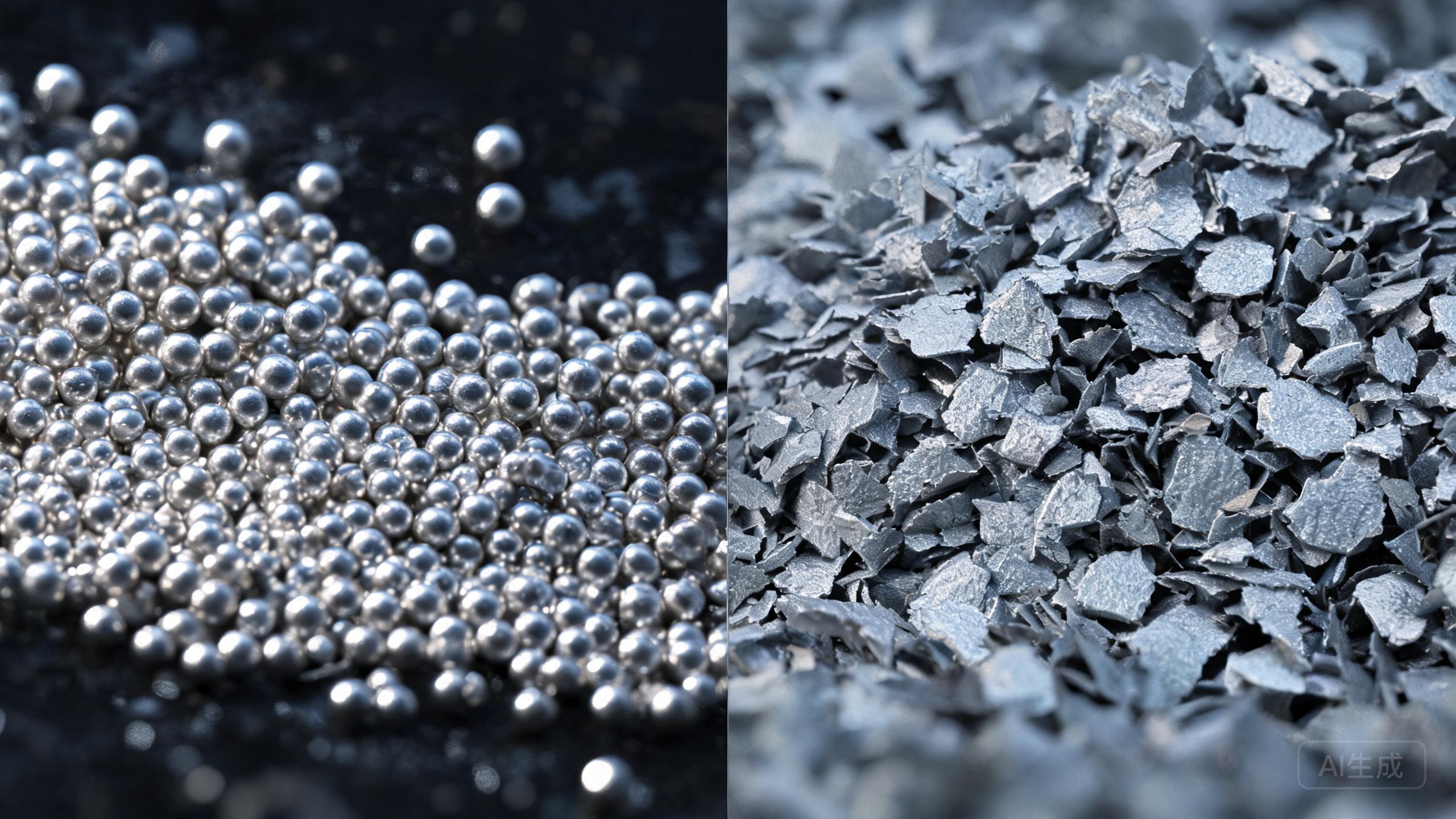
The process route explains most of the gap. Ball-milled flake powder sits close to raw metal cost; atomized powder carries a process premium; and spherical, tightly-controlled powder for 3D printing is an order of magnitude above commodity grades.
Figures in this article are indicative ranges from public market sources, not quotations. For a binding price on your specification, contact our sales engineers.
What Determines Aluminium Powder Price? Five Factors
1. Production process
Ball milling is mechanically simple — batch processing with low capital cost — so commodity flake powders can sell near metal cost. Atomization requires melting, controlled gas or air injection, and classification equipment, which adds meaningful cost per tonne. Spherical gas-atomized powder for additive manufacturing adds inert-gas handling and oxygen-control systems, which is why that tier starts near US$25/kg. (We don’t produce the gas-atomized route at Jinhui, but you’ll see it quoted at the premium end.)
2. Particle size and distribution (PSD)
Narrow, tightly-controlled distributions cost more. A buyer specifying 15–53 μm with tight D50 tolerance pays more than one accepting 45–105 μm with a wide spread. Ultra-fine powders (below about 10 μm) require additional classification and safety controls, pushing prices higher.
3. Purity and alloy chemistry
Standard industrial grades (typically ≥99% aluminium) are the baseline. Higher purity, low-iron/low-silicon specifications, or alloy compositions (Al-Mg, Al-Si) increase both raw material and process cost. The US$23–256/kg listings on Made-in-China for atomized aluminum alloy powder largely reflect purity and PSD differences.
4. Order volume and MOQ
Public B2B listings quote small-lot prices (1–25 kg MOQ) that are far above container-scale contract prices. The AAC-grade paste at $2–3/kg is a 500 kg–1 tonne MOQ product; the same chemistry in a 10 kg trial lot would cost several times more per kilogram.
5. Standards, testing and certification
Powder certified to GB/T 2085.1-2007 (air-atomized) or GB/T 2085.2-2019 (ball-milled) with batch composition testing carries a quality premium over uncertified material — a small price for avoiding batch failures in your production line.
Atomized Aluminium Powder: Cost Structure
Atomized powder is produced by melting aluminium and dispersing it into droplets with high-pressure air or nitrogen, which solidify into granular or spherical particles. Public Chinese B2B listings in October 2026 show:
- General atomized aluminium powder: roughly US$6–12/kg in small lots (e.g., spherical atomized powder listed at $6.30–11.50/kg on Alibaba)
- Atomized aluminum alloy powder with controlled PSD (15–150 μm ranges): US$23–256/kg depending on purity and particle specification (Made-in-China FOB listings)
- Retail small-pack atomized powder (Western resellers): around £32/kg for 1 kg packs in the UK — a reminder of how much packaging and distribution add at the retail end
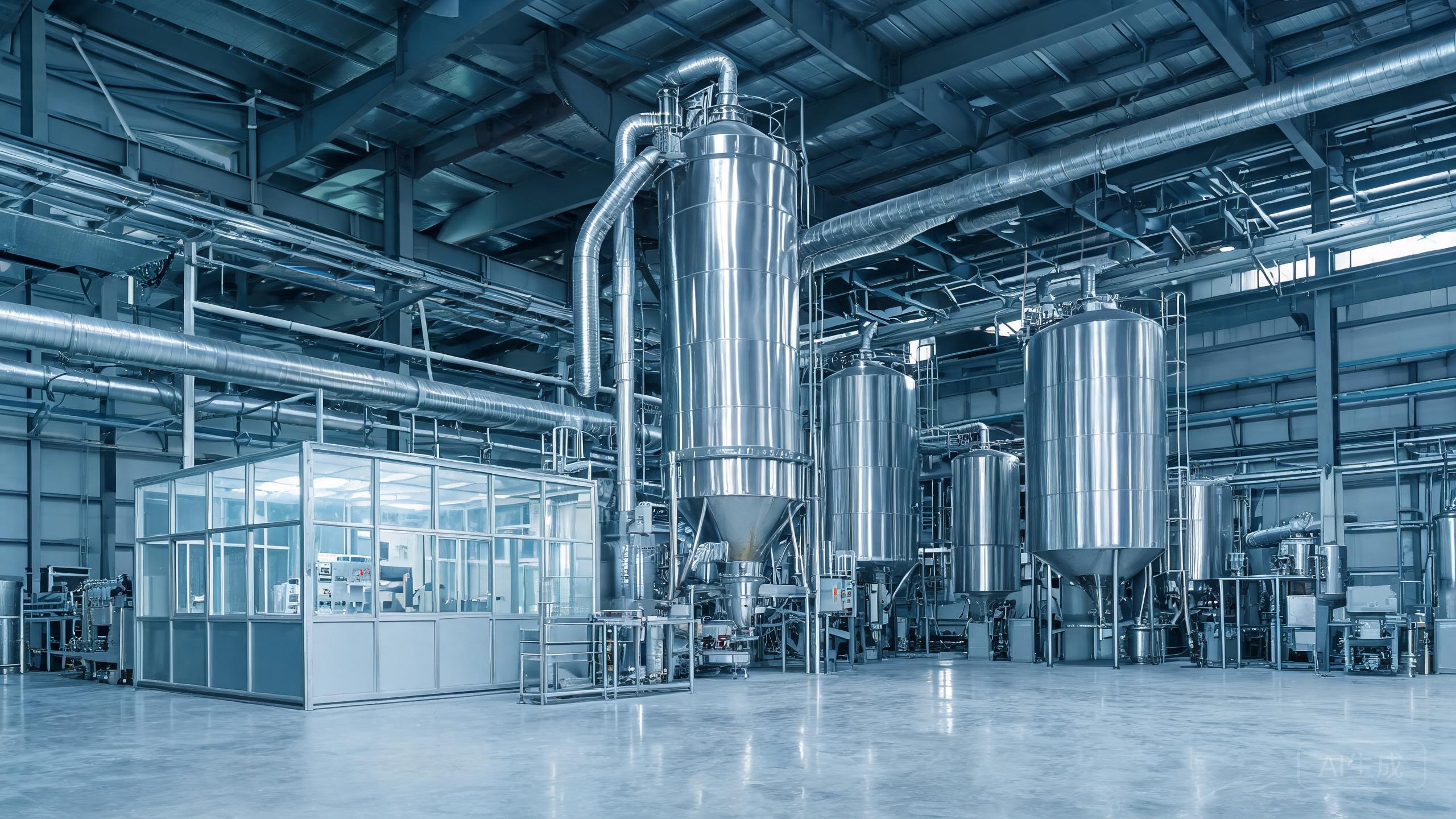
What you’re paying for: melting energy, atomization media, classification to your PSD window, and — for spherical grades — inert-gas handling.
Jinhui Powder operates two air-atomized vertical-spray lines and two nitrogen-atomized horizontal-spray lines with 50,000 tonnes annual capacity. See our air-atomized aluminium powder product page for specifications, or read our aluminium powder industry report for market context.
Ball-Milled Aluminium Powder: Cost Structure
Ball milling produces flake or irregular powder by mechanical attrition — the dominant route for pigment pastes, aerated concrete gas-generating powder, and pyrotechnic grades. October 2026 public listings:
- AAC-grade aluminium paste/powder: US$2.08–4.50/kg (Alibaba listings, 10–500 kg MOQ)
- Aluminium paste by the tonne: US$3,180–8,500/tonne (Made-in-China, 1 tonne MOQ) — i.e., $3.18–8.50/kg depending on grade
What you’re paying for: milling time (finer flake = longer mill cycles = higher cost), milling aids, and post-processing such as sieving or coating. The floor is set by the metal itself — at about US$3.05/kg for LME ingot, commodity ball-milled powder can’t drop far below US$2/kg without cutting purity.
Jinhui’s ball-milling aluminium powder line serves corrosion protection, chemicals, fireworks and metallic pigment applications under GB/T 2085.2-2019, and our fine aluminium powder covers pigment-grade specifications under GJB1738A-2015.
Atomized vs Ball-Milled: Side-by-Side Comparison
| Factor | Atomized aluminium powder | Ball-milled aluminium powder |
|---|---|---|
| Indicative price (2026) | $6–12/kg general; $23+/kg spec-controlled | $2–4.50/kg commodity; $3.18–8.50/kg paste by tonne |
| Particle shape | Granular to spherical | Flake / irregular |
| Cost driver | Melting + atomization media + classification | Milling time + aids + post-processing |
| Typical applications | Metallurgy, refractory, welding, chemical | Pigments, AAC, pyrotechnics |
| PSD control | Narrow ranges achievable | Flake thickness control; wider spreads |
| Standards (China) | GB/T 2085.1-2007 | GB/T 2085.2-2019 |
Hidden Costs Buyers Often Miss
- Dangerous goods logistics: aluminium powder ships as Class 4.3 dangerous goods (UN 1396 for uncoated powder), requiring certified packaging and trained forwarders. Budget for it, and beware suppliers quoting prices that quietly ignore compliant DG handling.
- Testing and documentation: batch composition reports, PSD certificates, MSDS — legitimate manufacturers include these; traders may charge extra or not provide them.
- MOQ gap: trial-lot prices (1–10 kg) can be 3–10× container-scale contract prices. Plan pilot volumes accordingly.
- Packaging: moisture-barrier, inert-gas-flushed packaging for reactive grades adds cost but prevents batch degradation.
How to Get an Accurate Quote
Suppliers can only price what you specify. Before requesting a quotation, prepare:
- Grade and standard (e.g., GB/T 2085.1-2007, or your national equivalent)
- Particle size distribution (target range and D50 tolerance)
- Annual volume and per-order quantity
- Packaging preference and destination port
- Required certifications and test reports
Send this checklist through our contact form and our engineers will respond within 24 hours. For a broader view of where the market is heading, see our 2026 industry report and our general price guide.
FAQ
Is atomized aluminium powder more expensive than ball-milled?
Generally yes. Atomization adds melting and gas-handling costs, so general atomized grades start around $6/kg versus $2–4.50/kg for commodity ball-milled powder. Spec-controlled atomized powder ($23+/kg) widens the gap further.
Why do prices on Alibaba and Made-in-China vary so widely ($6–256/kg)?
Listings mix commodity and premium products, small-lot and bulk pricing, and different purities and particle size distributions. The $25+/kg end is mostly spherical additive-manufacturing powder — a different market from industrial atomized grades.
How does LME aluminium price affect powder prices?
The metal is the cost floor (about $3.05/kg at October 2026 levels). Powder prices track ingot with a process premium on top; sustained LME moves feed through to quotations with a lag.
What MOQ should I expect from Chinese manufacturers?
Commodity grades typically quote at 25–500 kg MOQ; custom PSD or specialty grades may accept 1–10 kg trials at higher unit prices. Factory-direct pricing improves sharply at tonne scale.
Which is right for my application?
Pigment, AAC and pyrotechnic applications typically use ball-milled flake; metallurgy, refractory, welding and chemical applications use atomized granular powder. Share your process requirements and our engineers will recommend the grade.
Order the aluminium powder grade you need
- ball-milled aluminium powder specifications — the ball-milled route this comparison prices out
- air-atomized aluminium powder specifications — the atomised route this comparison prices out
Request a quotation — send the grade, the quantity and the application, and we reply with technical data and pricing.
 Previous Post
 Next Post